
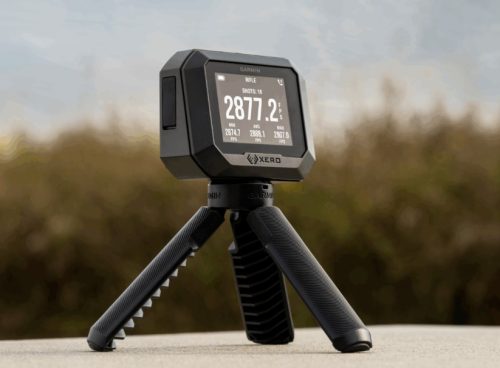
Accurate velocity measurements are key to understanding ammunition performance and improving consistency during reloading. This is where the best reloading chronographs come in. They help reloaders measure bullet speed, evaluate different load combinations, and collect valuable data for refining their ammunition.
When comparing reloading chronographs, it is important to consider measurement accuracy, velocity range, ease of setup, display readability, and compatibility with your shooting setup. Durable construction, dependable sensors, and convenient data recording features also make range sessions more productive. This guide explores the top chronographs for reloading to help you find a reliable model that fits your equipment, budget, and data-tracking needs.
What Is a Reloading Chronograph?
A reloading chronograph is a device that measures the velocity of a projectile as it travels past or away from the sensors. Reloaders use it to evaluate ammunition performance, compare velocity readings, and assess consistency between shots. Depending on the model, the device may use optical sensors, Doppler radar, or other detection technologies. Many modern chronographs also record shot data and calculate statistics such as average velocity and standard deviation. These measurements help reloaders better understand their ammunition’s performance.
Types of Chronographs for Reloading
Chronographs come in three main types: optica, doppler radar, and electromagnetic:
1. Optical Chronographs
Optical chronographs use light-sensitive sensors to detect a projectile as it passes through a designated measurement area. They provide an affordable option for reloaders who want to measure bullet velocity and compare ammunition performance. However, proper alignment and suitable lighting conditions play an important role in obtaining consistent readings.
2. Doppler Radar Chronographs
Doppler radar chronographs use radar technology to track a projectile and measure its velocity. They offer convenient setup and generally operate without relying on ambient light. This makes them suitable for different outdoor shooting conditions. Many models also include digital data recording and analysis features that help reloaders evaluate velocity consistency.
3. Electromagnetic Chronographs
Last but not least, electromagnetic chronographs use sensors mounted to a compatible firearm or barrel to measure projectile velocity. Their compact design eliminates the need for traditional optical sensors positioned downrange. However, reloaders should check firearm compatibility, mounting requirements, and the manufacturer’s installation instructions before choosing this type of chronograph
Best Reloading Chronographs – Top Picks
1) Garmin Xero® C1 Pro – Best Overall
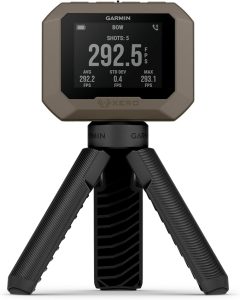
The Garmin Xero® C1 Pro is the best reloading chronograph. It delivers a convenient way to measure projectile velocity and collect reliable shooting data without complicated setup.
This chronograph measures speeds from 100 to 5,000 feet per second (fps), making it suitable for bullets, arrows, slugs, paintballs, and airsoft BBs. Additionally, it simplifies operation: turn it on, point it in the correct direction, and shoot within approximately 15 inches of the device.
The compact design fits in a back pocket, while the included tripod mount provides hands-free operation at the range. Additionally, the 2.2-inch backlit capacitive touchscreen displays readings clearly, and the IPX7 water-resistance rating helps the device withstand wet outdoor conditions.
The Xero C1 Pro also offers useful data management features for shooters who want to monitor performance and compare results over time. Pair it with your smartphone through the ShotView app to record shot data, track velocity, calculate extreme spreads, and export results to CSV files for further analysis in Excel. These capabilities make it easier to evaluate consistency and identify performance variations during testing sessions.
To top it all off, the rechargeable battery delivers up to six hours of operation per charge, and the USB-C connection makes recharging convenient.
Pros
- Wide 100–5,000 fps measurement range
- Supports multiple projectile types
- Compact, pocket-friendly design
- Simple setup and tripod compatibility
- Clear 2.2-inch backlit touchscreen
- ShotView app and CSV data export
Cons
-
Requires periodic recharging
2) Caldwell G2 Ballistic Precision Chronograph – Best User-Friendly
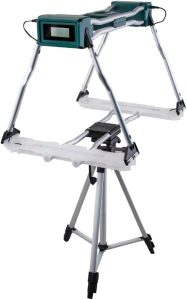
The Caldwell G2 Ballistic Precision Chronograph offers a practical solution for shooters who want to measure projectile velocity accurately and monitor performance across multiple shots.
Its innovative inverted design helps it measure velocity in challenging lighting conditions, while the included LED light kit improves visibility when natural light proves insufficient.
Furthermore, the chronograph features 18-inch sensor spacing and a factory-calibrated processor with a stated accuracy of ±0.25%, giving users a dependable tool for collecting velocity data. It measures projectile speeds in either feet per second (FPS) or meters per second (MPS) and displays the results on an easy-to-read LCD screen.
Moreover, the Caldwell G2 offers convenient data management through its free mobile application, which connects to the chronograph to track shot velocities, analyze shot strings, and record environmental conditions. This functionality helps users organize measurements and review performance without relying solely on manual notes.
The included adjustable tripod extends from 15 to 42 inches, allowing users to adapt the chronograph’s height to different shooting positions and measurement setups. On top of that, its combination of an LCD display, adjustable mounting system, LED lighting, and mobile connectivity provides flexibility for a range of testing environments.
Pros
-
±0.25% stated factory-calibrated accuracy
- Inverted design for challenging lighting
- Includes LED light kit
- 18-inch sensor spacing
- Reads FPS and MPS
- Easy-to-read LCD screen
Cons
- Requires careful setup and positioning
3) Athlon Optics Rangecraft Velocity Pro Radar Chronograph – Best Rugged
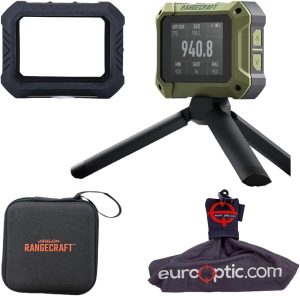
As one of the best reloading chronographs, the Athlon Optics Rangecraft Velocity Pro Radar Chronograph offers a convenient way to measure projectile speeds and analyze shooting performance without attaching equipment to your firearm.
Its Doppler radar technology measures velocities from 65 to 5,000 FPS with a claimed accuracy of ±0.1%, allowing you to collect useful data without interfering with barrel harmonics or your rifle’s zero.
Furthermore, the compact unit weighs just 4.7 ounces, features an IP67 waterproof rating, and uses a large 2.4-inch LCD screen to display results clearly in the field. It also supports rifles, pistols, archery equipment, and air guns, making it a versatile option for shooters and archers who want to monitor performance across different setups.
Moreover, the straightforward interface helps you start new sessions quickly, while projectile-weight entry lets the device calculate kinetic energy and power factor for more detailed records.
Beyond that, the Rangecraft Velocity Pro provides comprehensive data management for users who regularly track shooting sessions. It stores up to 50 sessions with 100 shots per session and displays useful statistics, including average velocity, standard deviation, and extreme spread. You can remove an unwanted shot by holding the delete button without interrupting your session, making it easier to maintain useful records.
In addition to everything else, the chronograph weighs a mere 4.7 ounces and is IP67 waterproof for all weather reliability.
Pros
- Accurate Doppler radar measurements
- Wide 65–5,000 FPS velocity range
- Non-invasive operation preserves barrel harmonics
- Stores 50 sessions with 100 shots each
- Bluetooth app integration
- Lightweight 4.7-ounce design
- IP67 waterproof construction
- Supports firearms, archery equipment, and air guns
Cons
-
Require careful handling in the field
4) Competition Electronics ProChrono DLX Chronograph – Best Budget
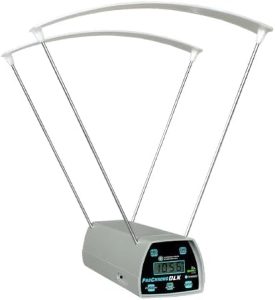
If you are on a tight budget, the Competition Electronics ProChrono DLX Chronograph is a great option, It offers a practical solution for shooters, archers, and reloaders who want accurate velocity readings and convenient shot-data analysis.
Its built-in Bluetooth connects to the Digital Link app on a smartphone or iPad, allowing you to view velocity readings in real time without relying solely on the chronograph’s onboard display. Besides, the unit measures velocities from 20 to 9,999 feet per second (fps).
With a claimed accuracy of ±0.5% and a resolution of 31 nanoseconds, it provides useful measurements for evaluating projectile performance and comparing shot strings. Its straightforward setup also saves time because you can switch it on and begin testing without performing a separate calibration process.
Beyond that, the ProChrono DLX offers additional value through its data-recording and analysis capabilities. The Digital Link app records shot strings, calculates extreme spread and standard deviation, and exports results to PDF or spreadsheet formats for convenient storage and comparison. These features make it easier to track changes in ammunition performance, monitor arrow speeds, and maintain organized testing records.
The included guide rods and diffuser shields support outdoor operation, although lighting conditions and proper equipment placement can affect the quality of readings.
Pros
- Wide 20–9,999 fps measurement range
- Bluetooth connectivity with the Digital Link app
- Claimed ±0.5% accuracy
- Records and analyzes shot strings
- Simple setup without calibration
Cons
-
Requires proper positioning for reliable reading
5) Garmin Xero® C2 Chronograph – Best Value for Money
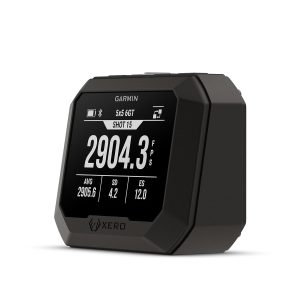
As our final recommendation for the best reloading chronographs, the Garmin Xero® C2 Chronograph delivers fast, accurate velocity measurements for shooters, archers, and ammunition reloaders who want to monitor performance and refine their setups.
It measures speeds from 100 to 5,000 feet per second (fps), making it suitable for bullets, arrows, crossbow bolts, slugs, paintballs, pellets, and airsoft BBs. Compared with the previous C1 model, the C2 processes shots faster and tracks up to 10 shots per second, allowing you to collect data efficiently during demanding testing sessions.
Furthermore, its reinforced housing supports rifle mounting and withstands recoil, while the included tripod mount offers additional positioning flexibility. The button-operated interface also makes it easy to control the chronograph while wearing gloves, and its IPX7 water-resistance rating helps it handle challenging outdoor conditions.
Moreover, the Xero C2 offers useful connectivity and data-management features that make it more than a basic velocity-measuring device. You can pair it with compatible Garmin smartwatches to view live data and control the chronograph remotely, while AB comms integration lets you transfer muzzle velocity directly into the Applied Ballistics solver app.
The ShotView app records shot results, tracks velocity deviations, compares individual shots, and helps you manage load data for more informed performance analysis. Its session-resume feature lets you switch between multiple firearms while keeping each firearm’s results organized under a separate profile.
Garmin also equips the C2 with a rechargeable battery that delivers up to 2,000 shots or six hours of operation per charge, giving you ample time for extended testing sessions.
Pros
- Wide 100–5,000 fps measurement range
- Fast processing of up to 10 shots per second
- Garmin smartwatch and Applied Ballistics integration
- ShotView app for detailed performance tracking
- Recoil-resistant housing
- Tripod ready
- IPX7 water resistance
Cons
- Advanced features may overwhelm casual users
Key Factors to Consider when Choosing the Best Reloading Chronographs
Consider the following seven factors when comparing reloading chronographs to find a model that suits your equipment, experience, and shooting needs.
Accuracy
Firstly, accuracy plays a crucial role when choosing a reloading chronograph because reliable velocity readings help you evaluate ammunition performance. Look for a model that provides consistent measurements across repeated shots and minimizes variations caused by inconsistent detection. Check the manufacturer’s stated accuracy and resolution to understand how precisely the chronograph measures bullet speed. A dependable unit helps you compare different loads and identify meaningful velocity differences.
Velocity Measurement Range
A chronograph’s velocity range determines the projectile speeds it can measure reliably. Choose a model that accommodates the expected velocity of your ammunition, whether you load cartridges for handguns, rifles, or other compatible firearms. A suitable measurement range allows you to evaluate different loads without exceeding the device’s operating limits. Additionally, a sufficiently broad range also gives you flexibility when testing multiple compatible ammunition types.
Sensor Technology
The best reloading chronographs use different technologies to detect projectiles and calculate their velocity. Optical models typically use sensors that detect a projectile passing through a designated measurement area, while Doppler radar models track projectile movement using radar signals. Optical units may require careful alignment and suitable lighting, whereas radar models often offer more flexibility in different lighting conditions. Some modern chronographs also use specialized electromagnetic or acoustic sensors.
Ease of Setup and Operation
A user-friendly chronograph saves time and reduces frustration during ammunition testing. Look for straightforward controls, clear instructions, and a simple setup process that allows you to begin recording readings without unnecessary adjustments. Some models connect to smartphones or computers, while others display velocity measurements directly on an integrated screen. Consider how easily you can position the unit, access its controls, and review recorded data at the range.
Data Recording and Connectivity
Furthermore, data recording features help you organize velocity readings and compare the performance of different ammunition loads. Look for a chronograph that stores individual shot measurements, calculates average velocity, and provides useful statistics such as standard deviation and extreme spread when available. Bluetooth connectivity and companion apps can simplify data management by transferring readings to a smartphone or tablet. Some of the best reloading chronographs also support exporting data for more detailed analysis on a computer.
Durability and Environmental Resistance
Next, a durable chronograph withstands regular use at the shooting range and handles the conditions you typically encounter. Consider the housing material, construction quality, and resistance to dust, moisture, and accidental impacts. If you prefer an optical model, check whether its sensors and accessories can withstand your usual range environment. Radar models may offer a more compact setup with fewer exposed components, although their durability still depends on the specific design.
Price and Overall Value
Finally, the best reloading chronographs balance dependable performance with features that match your budget. Entry-level models may provide basic velocity readings, while premium options often include advanced data analysis, wireless connectivity, and expanded tracking capabilities. Compare these features against your actual requirements and choose a model that provides lasting value by helping you collect consistent measurements and evaluate your ammunition more effectively.
Read Next:
Chronograph Setup, Use, and Maintenance Tips
- Follow the Manufacturer’s Instructions. Read the user manual before operating your chronograph to understand its setup requirements, measurement limits, and safety precautions.
- Choose the Right Setup Location: Set up your chronograph at an approved shooting range where you can operate your firearm safely. Maintain the manufacturer’s recommended distance and alignment, and position the equipment to protect it from muzzle blast and accidental projectile impact.
- Check Sensors and Lighting Conditions: Ensure the sensors operate correctly before beginning your testing session. Optical chronographs require suitable lighting and proper alignment, while radar models need correct positioning according to the manufacturer’s instructions
- Maintain Consistent Testing Procedures. Keep your chronograph setup and testing conditions consistent when comparing ammunition loads. Confirm that the ammunition falls within the device’s specified velocity range, and follow established reloading safety procedures throughout the process
- Record and Review Velocity Data: Save individual shot readings and review statistics such as average velocity, standard deviation, and extreme spread when available.
- Clean and Inspect the Equipment. Remove dust and debris using the manufacturer’s recommended cleaning methods, and inspect the housing, sensors, cables, and mounting hardware for damage.
- Store the Chronograph Properly: Protect your equipment from excessive moisture, heat, dust, and accidental impacts when not in use. Store the chronograph and its accessories in a suitable protective case, and install compatible software or firmware updates when the manufacturer recommends.
Frequently Asked Questions
- How often should I calibrate a reloading chronograph?
You should follow the manufacturer’s calibration and maintenance recommendations to keep your chronograph functioning reliably. Some models require little routine calibration, while others may need periodic checks
- Can weather affect chronograph readings?
Yes, lighting, temperature, wind, and other environmental conditions can affect readings depending on the sensor technology. Optical chronographs are particularly sensitive to lighting conditions, while radar models may also experience environmental interference.
- How many shots should I record when testing ammunition?
Multiple. Recording multiple shots provides a more useful picture of velocity consistency than relying on a single reading. Use consistent testing procedures and follow appropriate reloading guidance when comparing different ammunition loads.
Conclusion
Hopefully, this guide has helped you find the ideal reloading chronograph for your needs. Prioritize measurement accuracy, velocity range, sensor technology, and reliable data recording to find a model that meets your testing requirements. With the right chronograph, you will collect meaningful velocity data, compare ammunition performance, and make more informed decisions during your reloading process.